
Set Overview
Base Expansion Pack, released December 1, 2001, opened the Pokémon-e series. Its 128 cards were the first designed to be scanned by the Nintendo e-Reader, and the English Expedition Base Set is drawn from it.
| Category | Details |
|---|---|
| Japanese Name | 基本拡張パック (Kihon Kakuchō Pakku) |
| Release Date | December 1, 2001 |
| Total Cards | 128 cards |
| Publisher | The Pokémon Company |
| Card Types | 112 Pokémon · 16 Trainer |
| Holo Rares | 32 |
| Theme | Pokémon-e debut |
About the Set
Pokémon-e cards carry a strip of dot code along the bottom and side edges. Swiping the card through an e-Reader read that strip, which is why the card layout changed shape for this series. The set divides exactly evenly by rarity: 32 commons, 32 uncommons, 32 rares and 32 holo rares, across 112 Pokémon and 16 Trainers.
The English counterpart is Expedition Base Set, released September 15, 2002 with 165 cards.
How These Cards Are Numbered
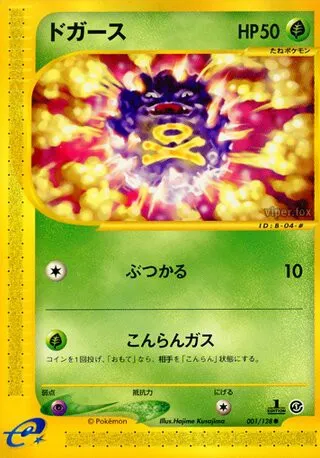
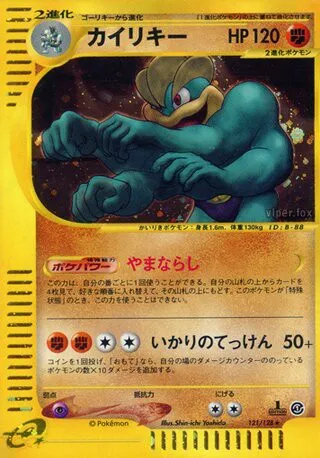
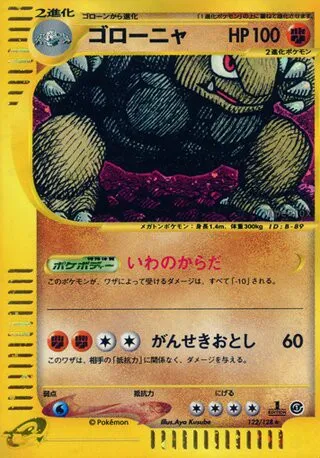
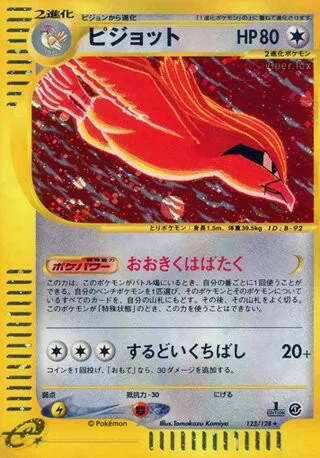
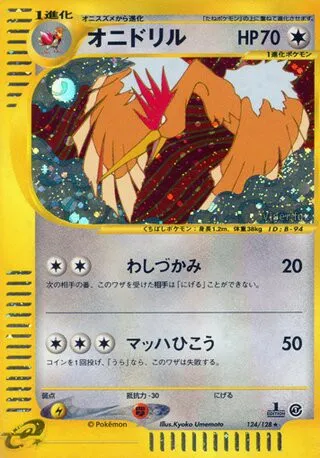
Cards in this set print a collector number at the bottom right in the form 001/128 — the card’s position followed by the set total. This is the same scheme English sets use, and it is what separates these sets from the pre-2001 Japanese sets, whose bottom-right number is the Pokédex number of the Pokémon rather than a collector number.
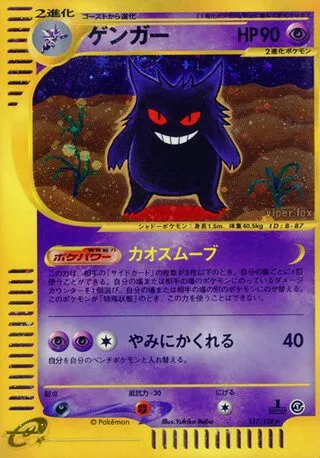
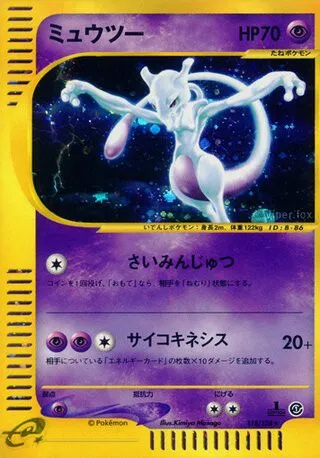
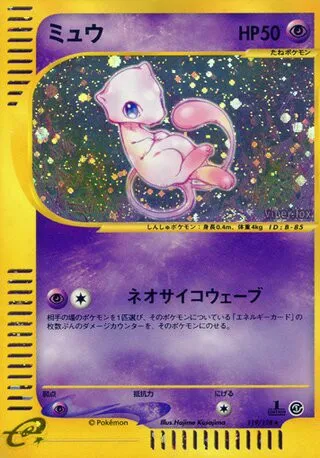
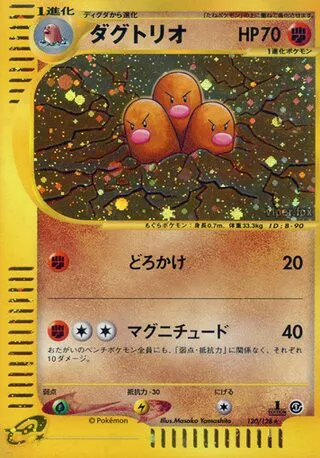
What the gallery shows: each tile is numbered by its collector number, exactly as the card prints it. Open a card and the lightbox gives the full No. 001/128 form.
Rarity is a small symbol printed next to the number: a circle for common, a diamond for uncommon and a star for rare. Cards numbered above 128 are secret rares, printed past the set total.
Complete Card Gallery
All 128 cards from Base Expansion Pack, in set order. Click any card to view it full size — use the arrow keys (or swipe) to move through the set.
 1
1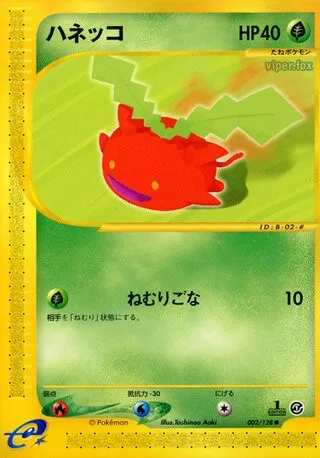 2
2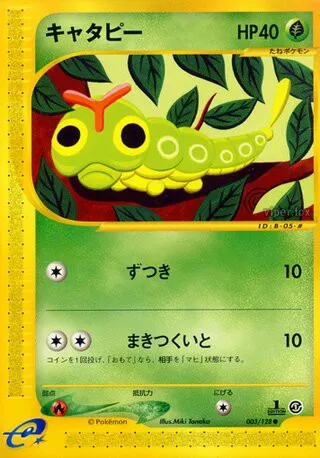 3
3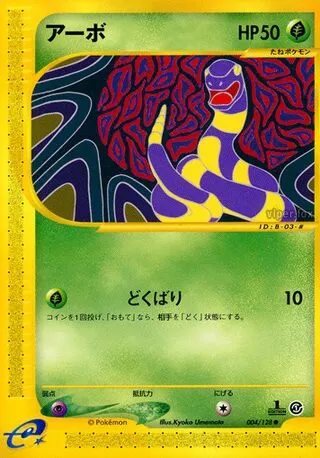 4
4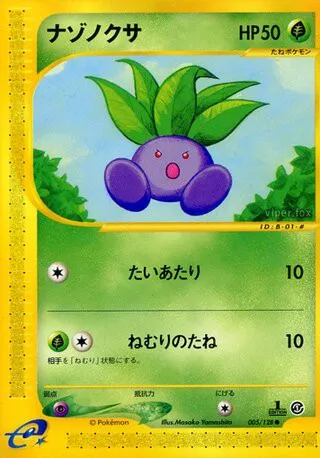 5
5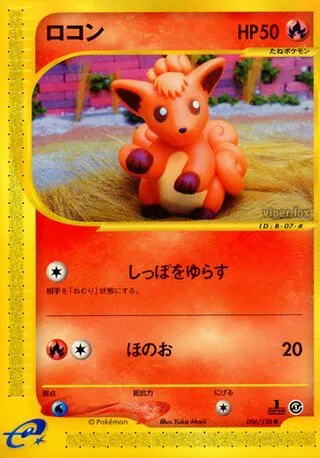 6
6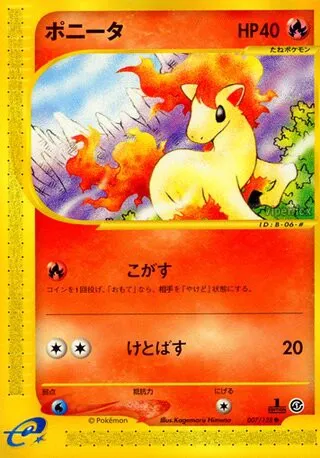 7
7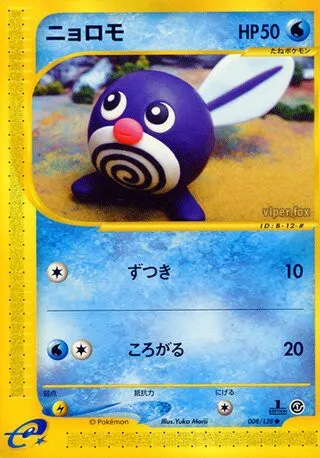 8
8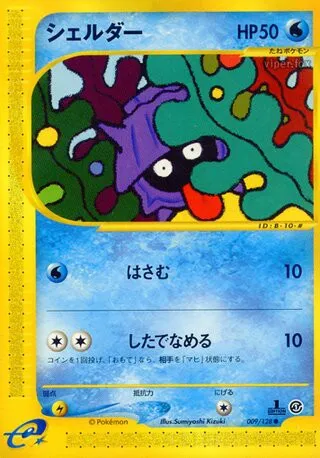 9
9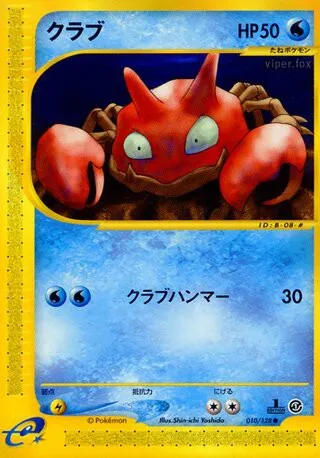 10
10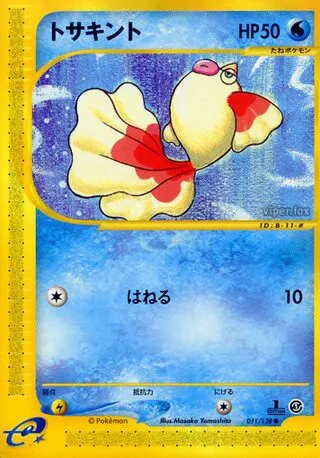 11
11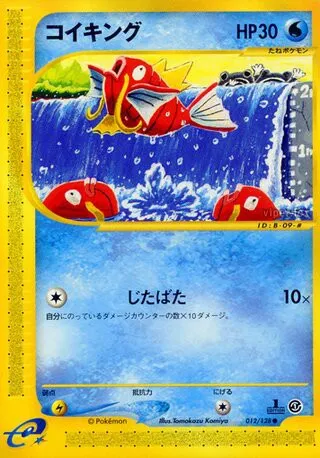 12
12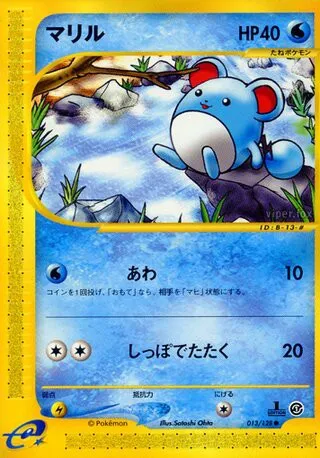 13
13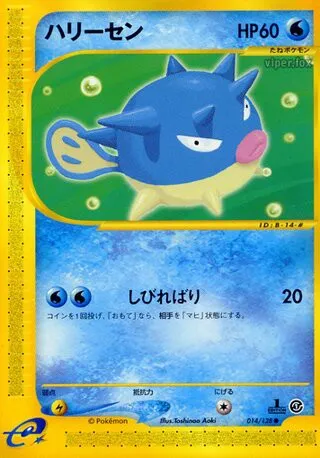 14
14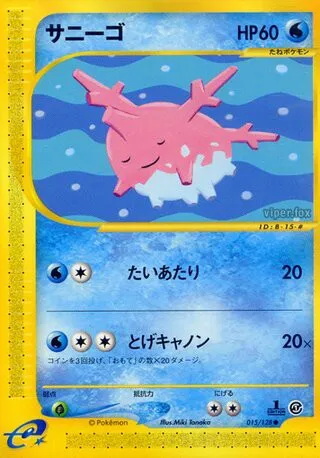 15
15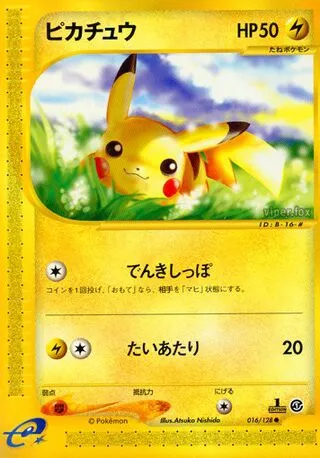 16
16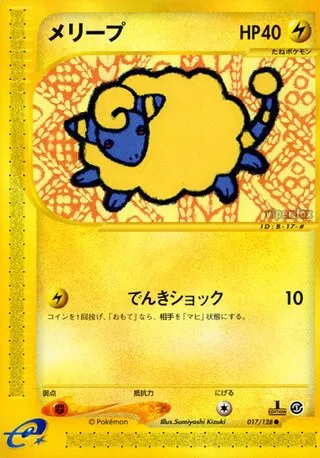 17
17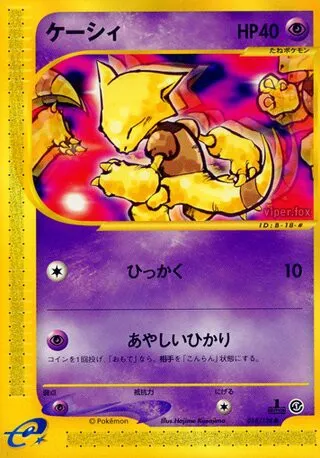 18
18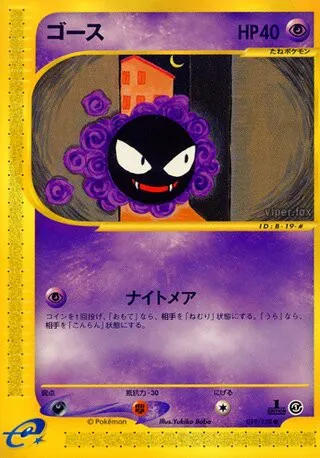 19
19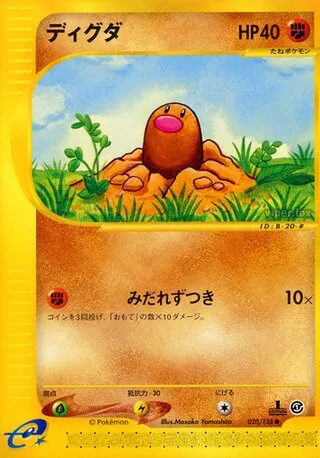 20
20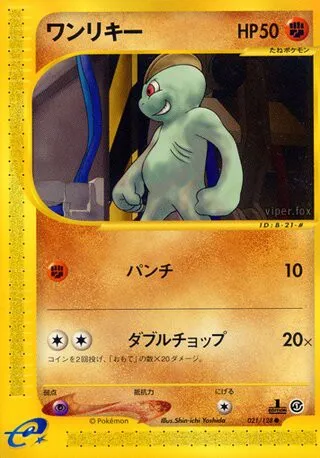 21
21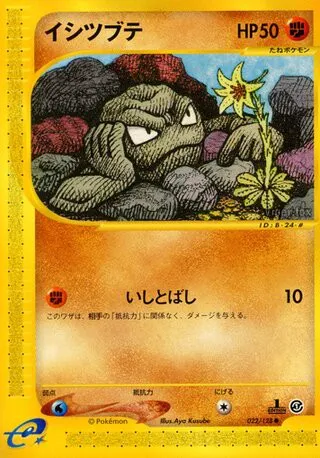 22
22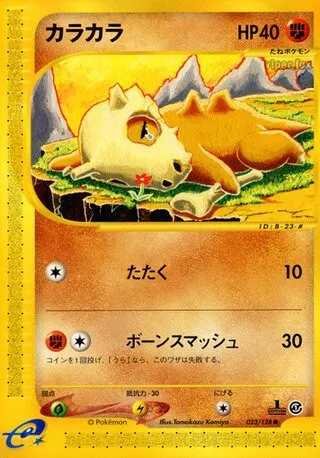 23
23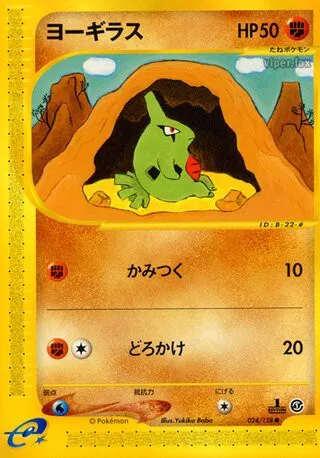 24
24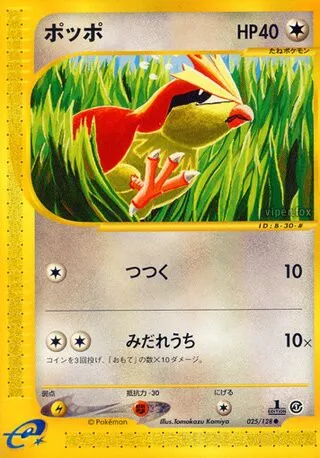 25
25 26
26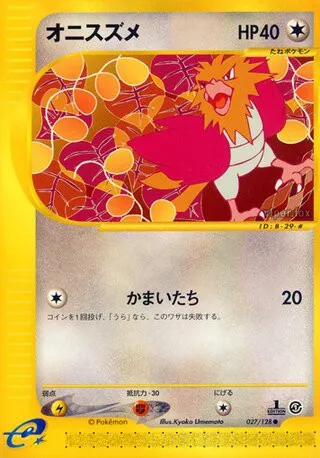 27
27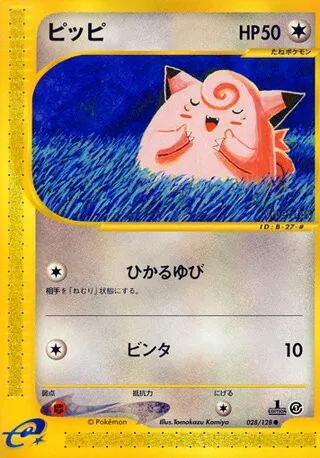 28
28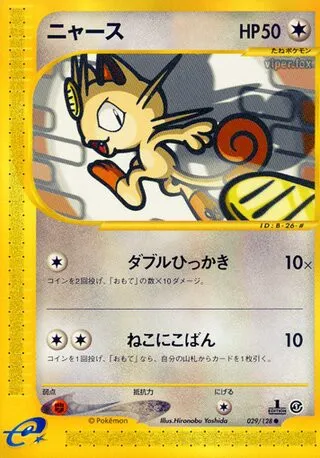 29
29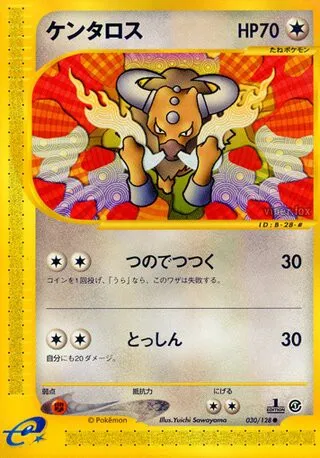 30
30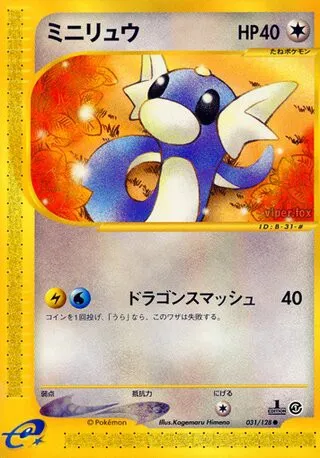 31
31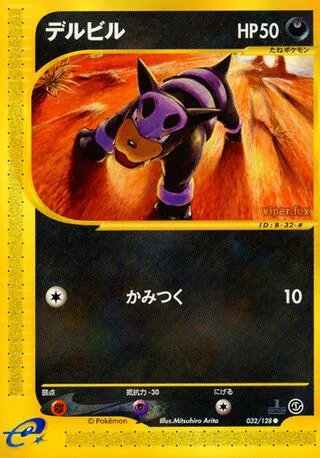 32
32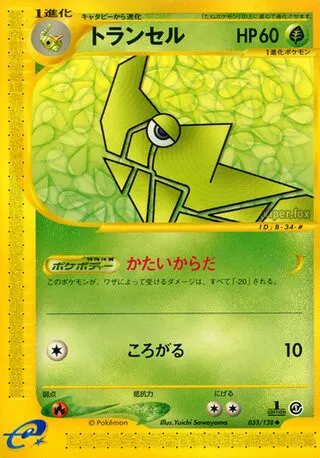 33
33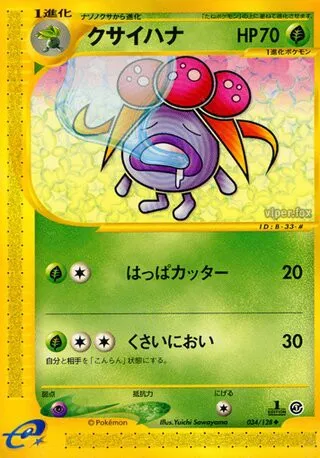 34
34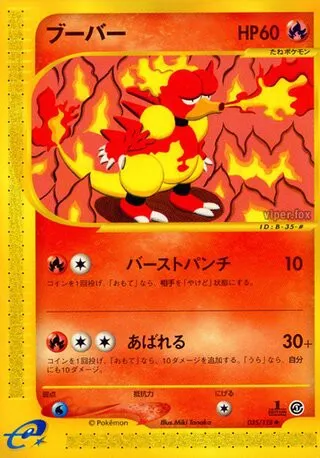 35
35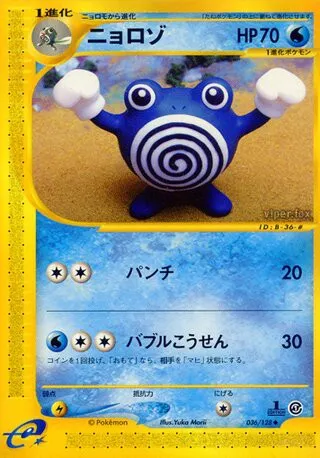 36
36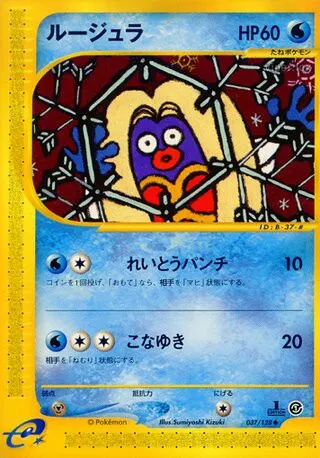 37
37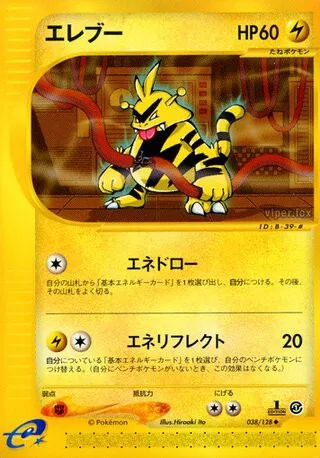 38
38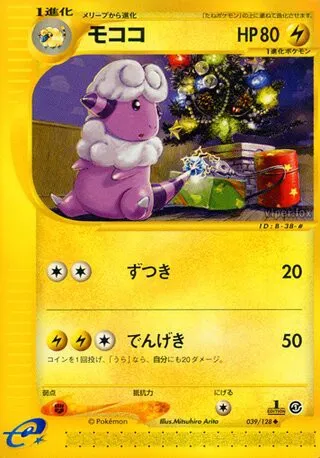 39
39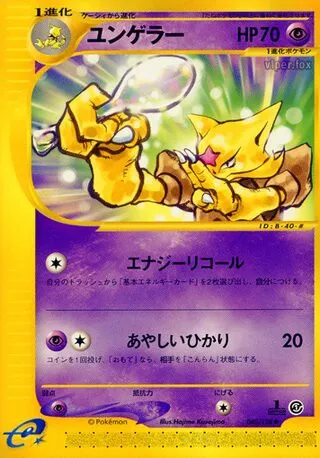 40
40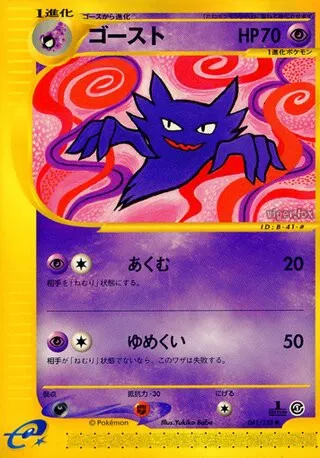 41
41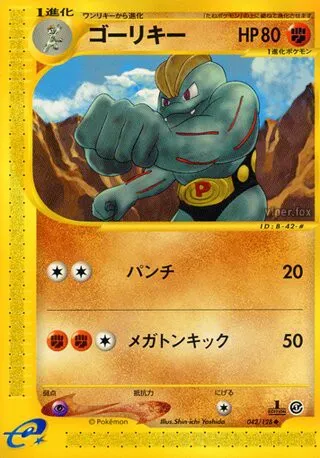 42
42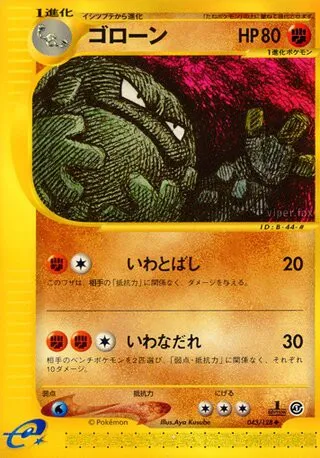 43
43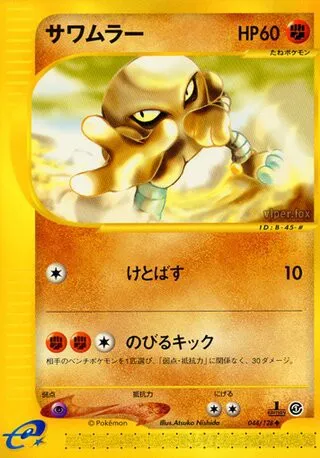 44
44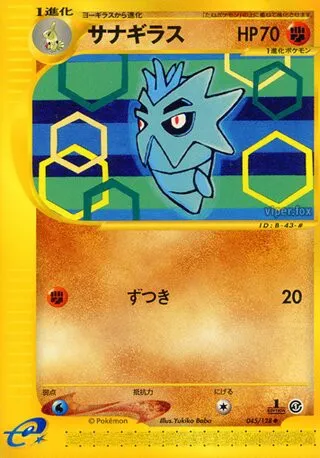 45
45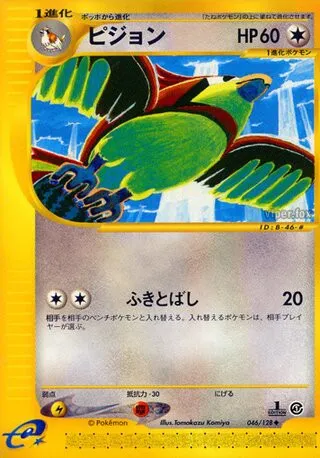 46
46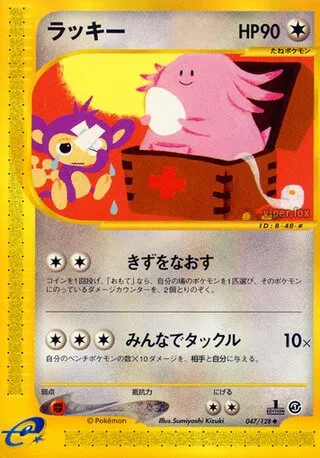 47
47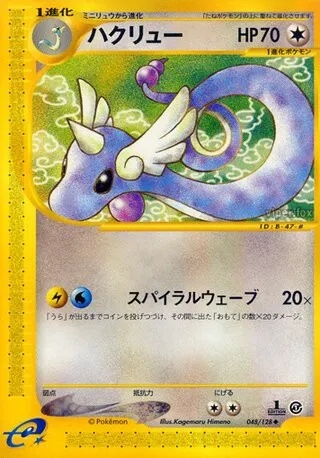 48
48 49
49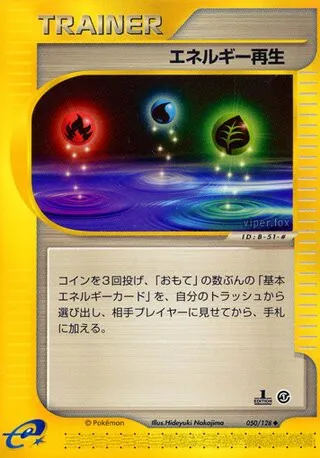 50
50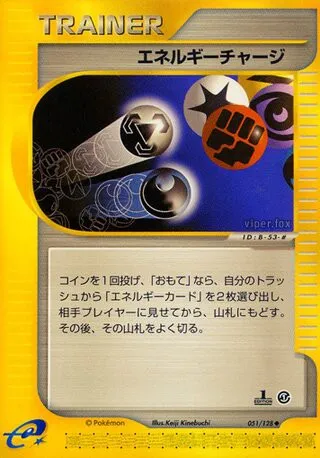 51
51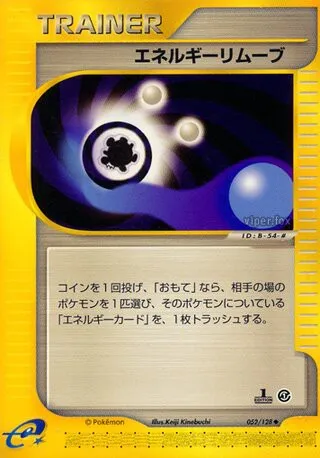 52
52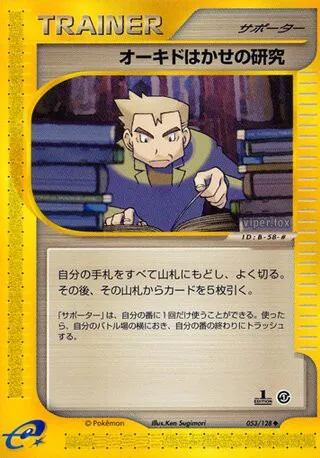 53
53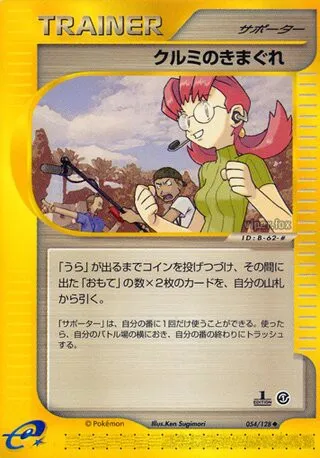 54
54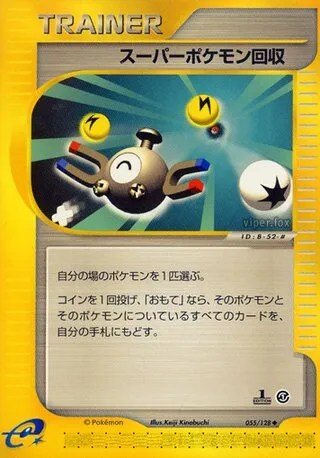 55
55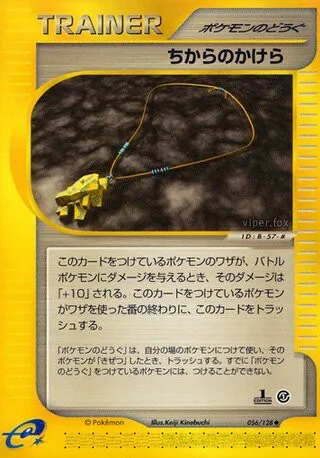 56
56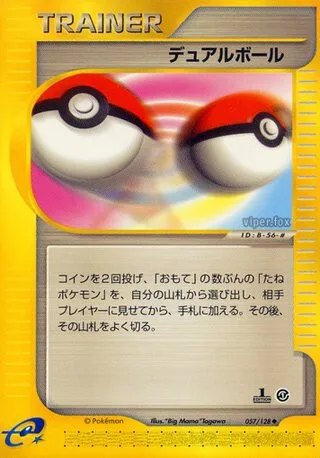 57
57 58
58 59
59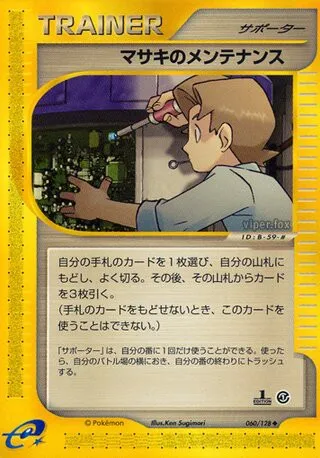 60
60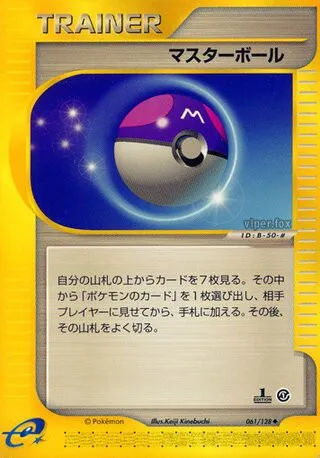 61
61 62
62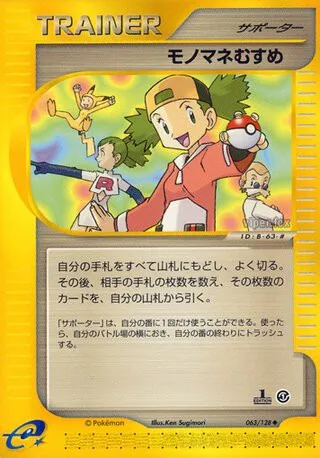 63
63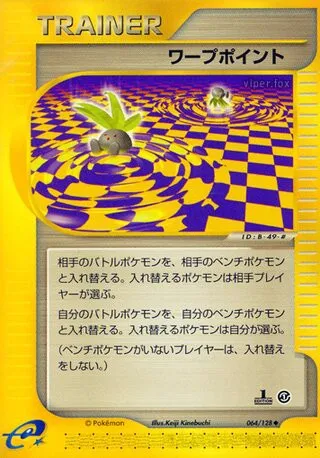 64
64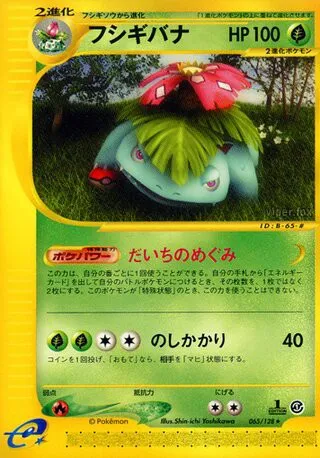 65
65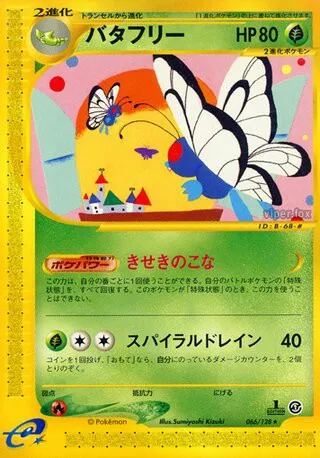 66
66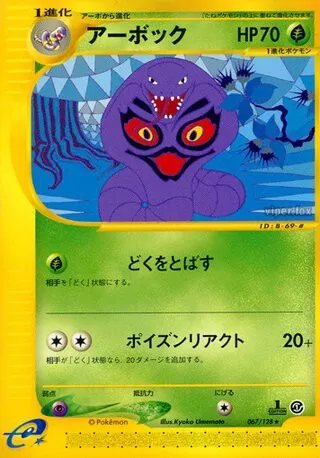 67
67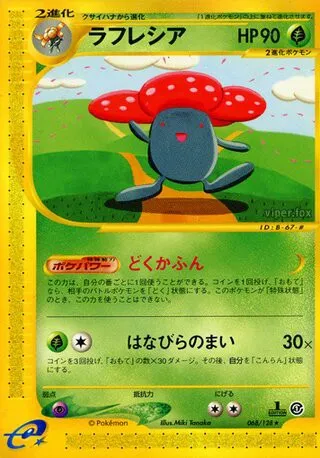 68
68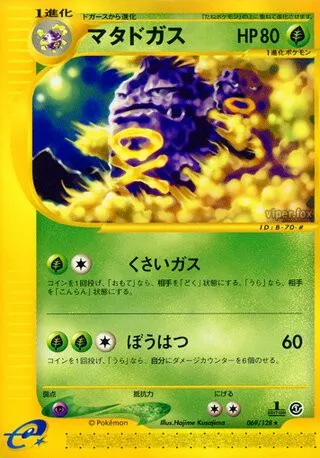 69
69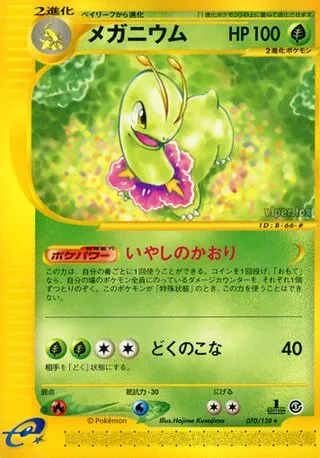 70
70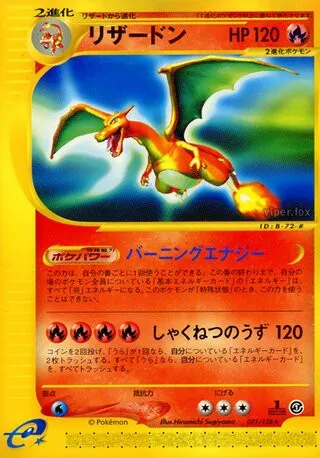 71
71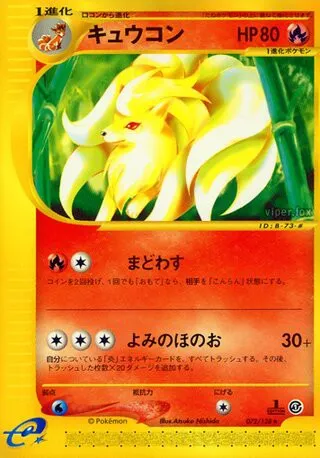 72
72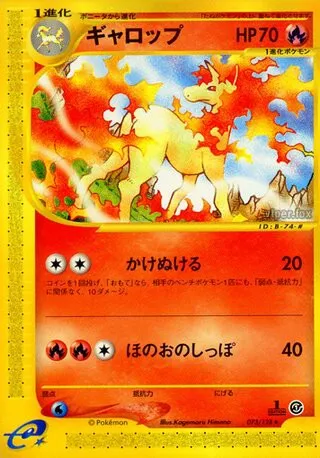 73
73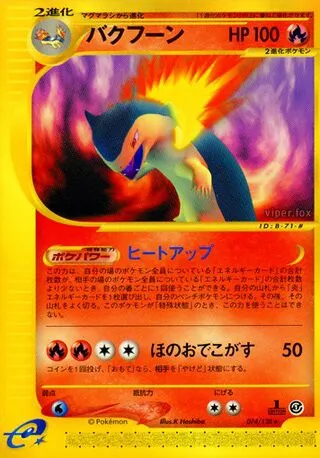 74
74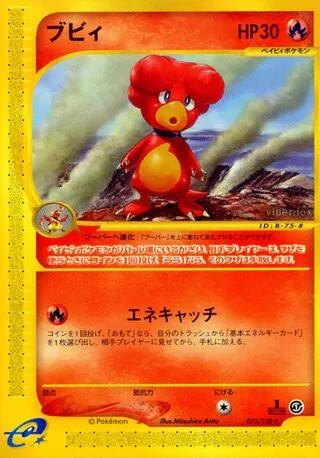 75
75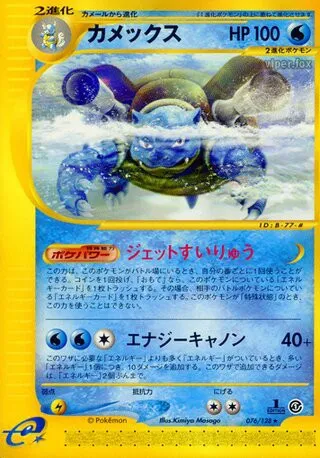 76
76 77
77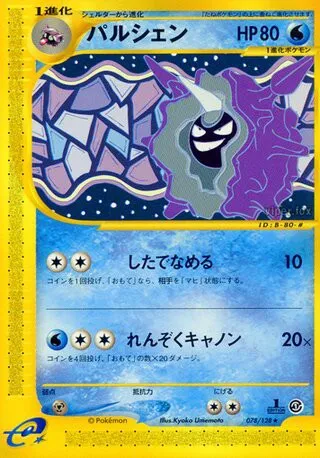 78
78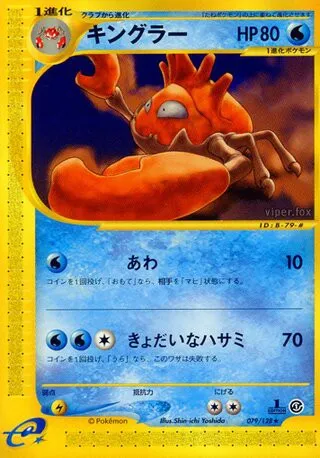 79
79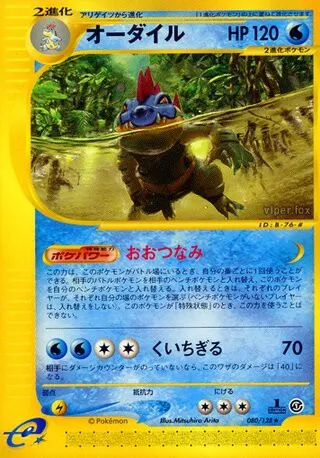 80
80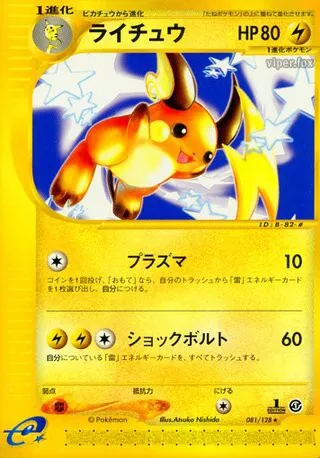 81
81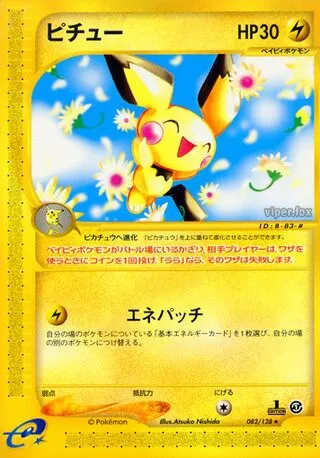 82
82 83
83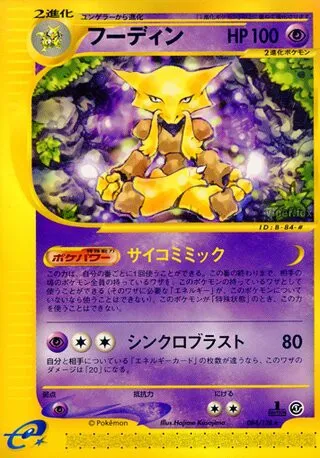 84
84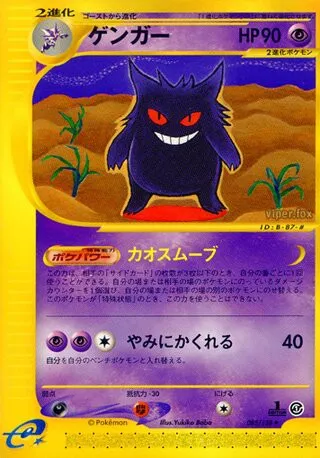 85
85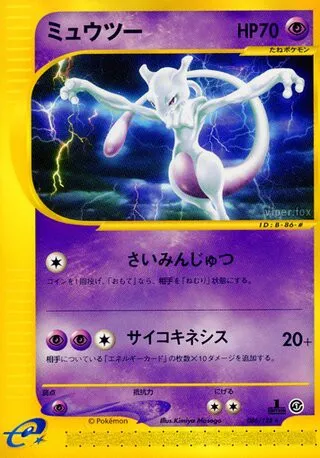 86
86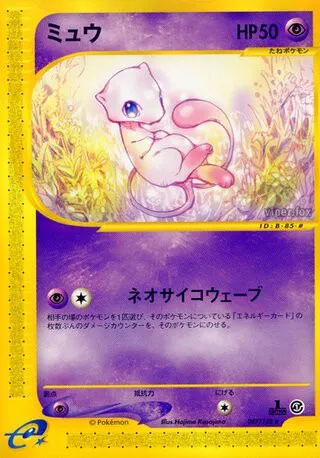 87
87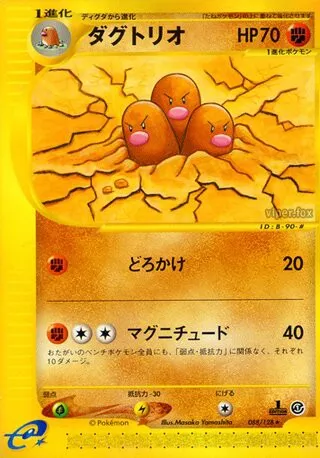 88
88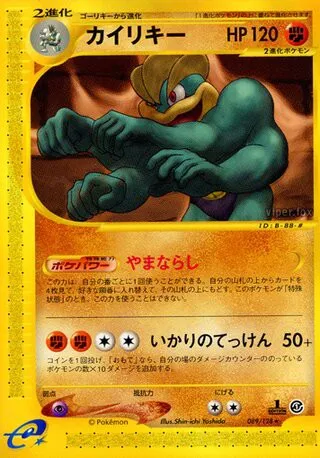 89
89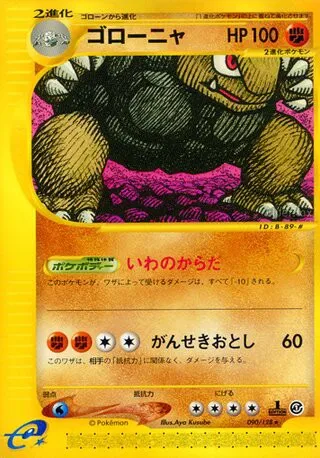 90
90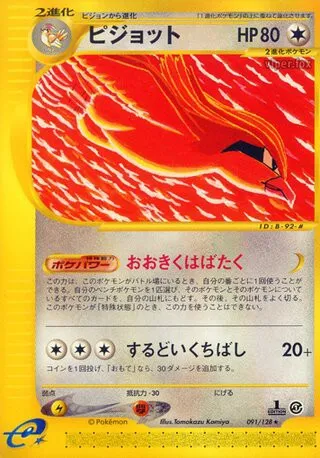 91
91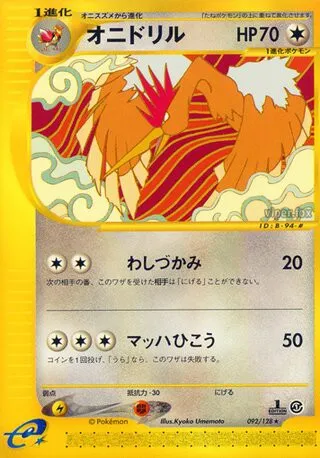 92
92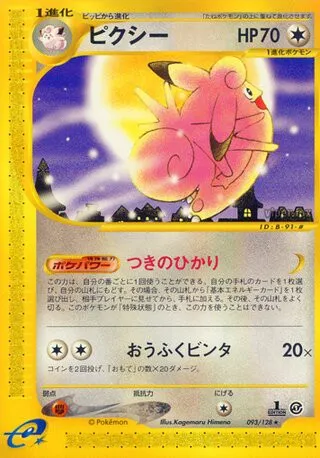 93
93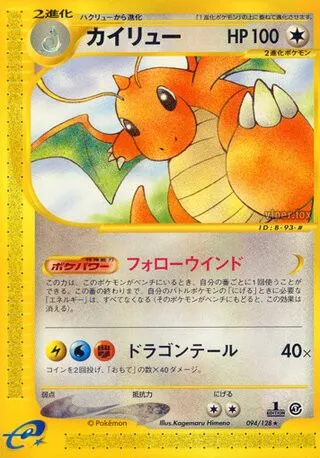 94
94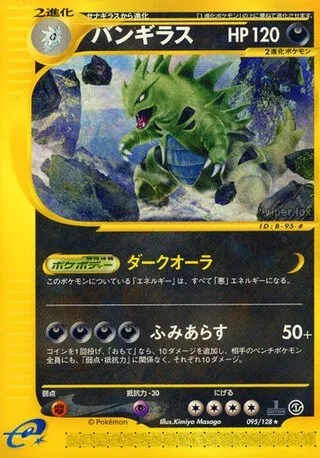 95
95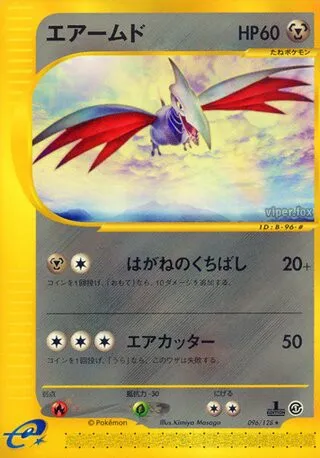 96
96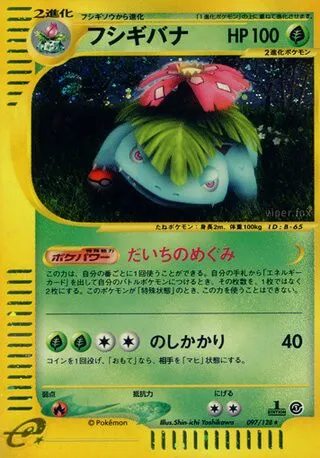 97Holo
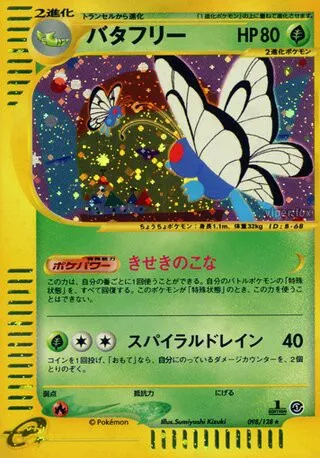 98Holo
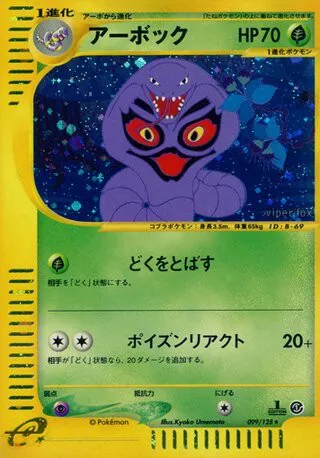 99Holo
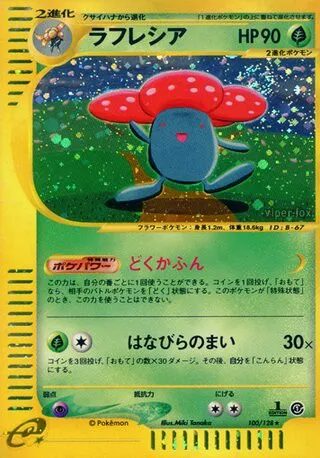 100Holo
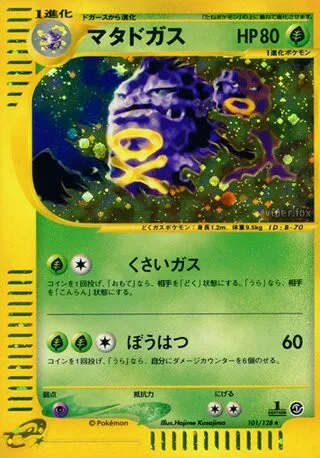 101Holo
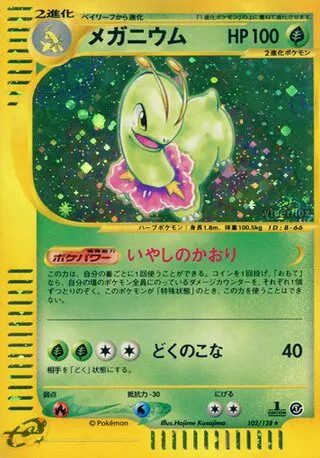 102Holo
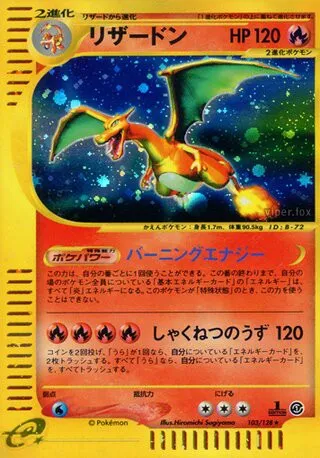 103Holo
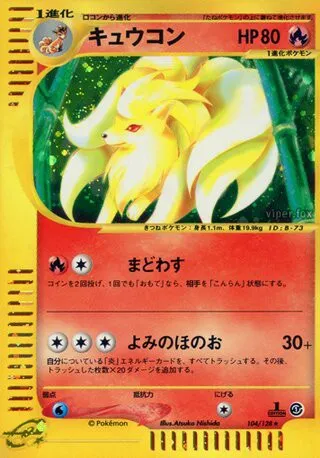 104Holo
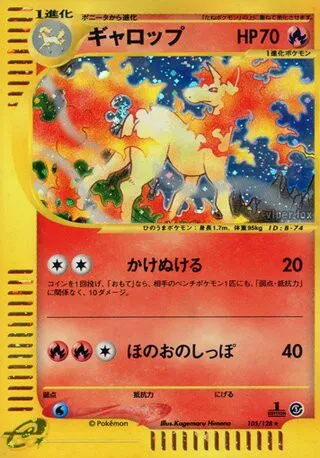 105Holo
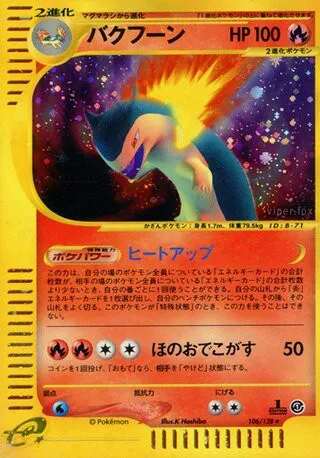 106Holo
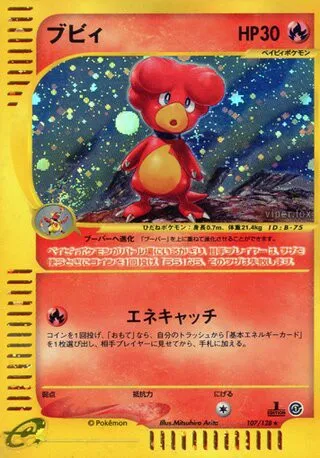 107Holo
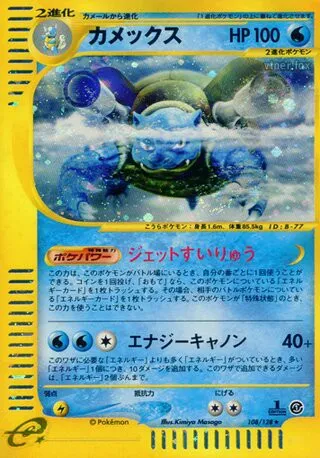 108Holo
 109Holo
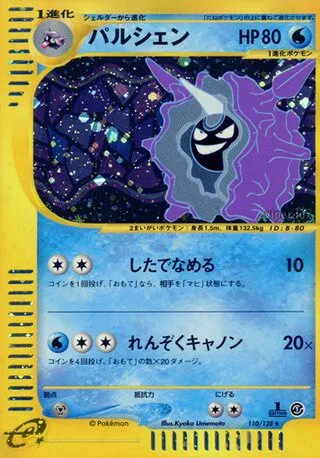 110Holo
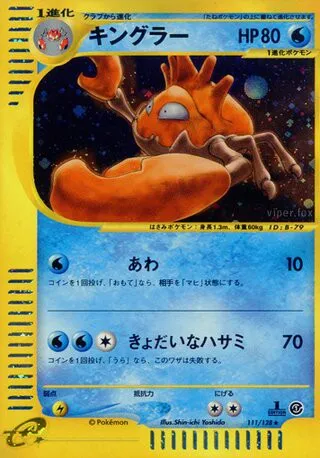 111Holo
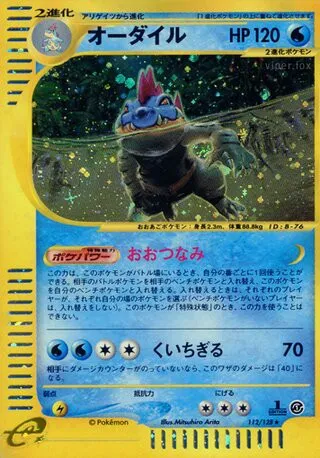 112Holo
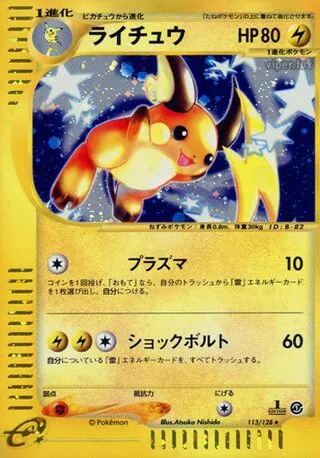 113Holo
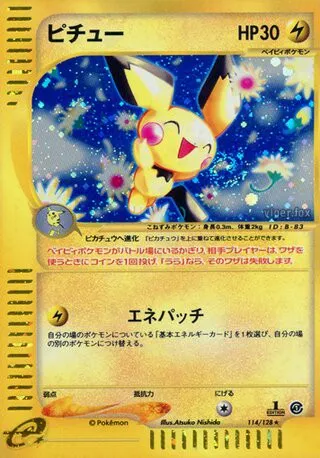 114Holo
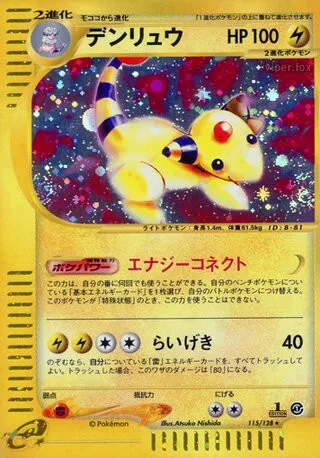 115Holo
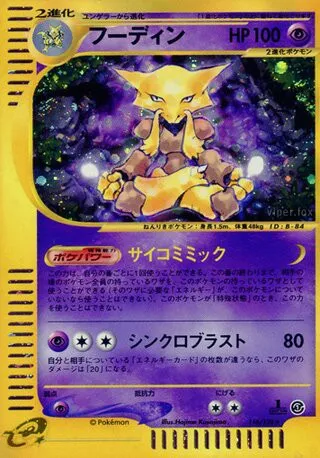 116Holo
 117Holo
 118Holo
 119Holo
 120Holo
 121Holo
 122Holo
 123Holo
 124Holo
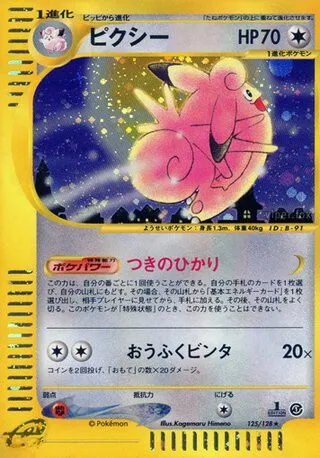 125Holo
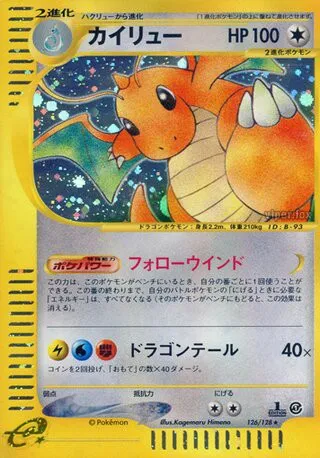 126Holo
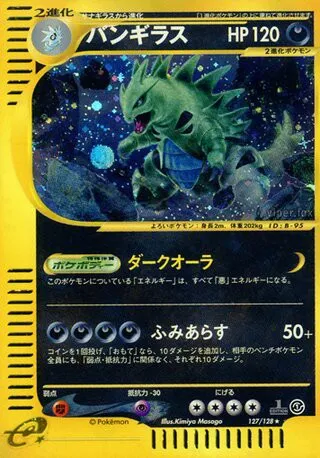 127Holo
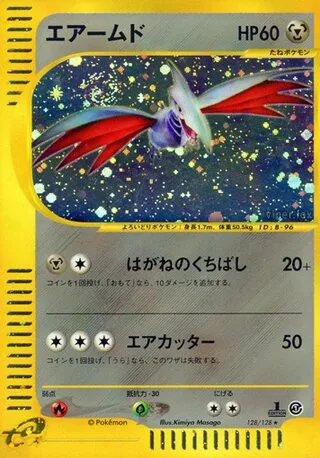 128Holo
Other Japanese Sets
English readers may also want the Expedition Base Set set guide, and the Japanese to English set map for how the two release schedules line up.
| Set | Japanese Name | Released | Cards |
|---|---|---|---|
| Expansion Pack | 拡張パック | October 20, 1996 | 102 cards |
| Pokémon Jungle | ポケモンジャングル | March 5, 1997 | 48 cards |
| Mystery of the Fossils | 化石の秘密 | June 21, 1997 | 48 cards |
| Rocket Gang | ロケット団 | November 21, 1997 | 65 cards |
| Leaders’ Stadium | リーダーズスタジアム | October 24, 1998 | 96 cards |
| Challenge from the Darkness | 闇からの挑戦 | June 25, 1999 | 98 cards |
| Gold, Silver, to a New World... | 金、銀、新世界へ... | February 4, 2000 | 96 cards |
| Crossing the Ruins... | 遺跡をこえて... | July 7, 2000 | 56 cards |
| Awakening Legends | めざめる伝説 | November 23, 2000 | 57 cards |
| Darkness, and to Light... | 闇、そして光へ... | April 20, 2001 | 113 cards |
| The Town on No Map | 地図にない町 | March 8, 2002 | 92 cards |
| Wind from the Sea | 海からの風 | May 24, 2002 | 90 cards |
| Split Earth | 裂けた大地 | August 23, 2002 | 91 cards |
| Mysterious Mountains | 神秘なる山 | October 4, 2002 | 91 cards |
| Flight of Legends | 伝説の飛翔 | April 8, 2004 | 82 cards |
| Clash of the Blue Sky | 蒼空の激突 | July 1, 2004 | 82 cards |
| Team Rocket’s Strikes Back | ロケット団の逆襲 | October 15, 2004 | 85 cards |
| Golden Sky, Silvery Ocean | 金の空、銀の海 | April 8, 2005 | 106 cards |
Collecting & Where to Buy
Charizard, Blastoise, Venusaur and Mewtwo are the holo rares that move first. The set is long at 128 cards, but the even rarity split means no single tier is unusually thin.
Collector tip: The dot code strip is printed right on the card edge, so it takes wear before the rest of the card does. Check the edges closely — a card that grades well otherwise can still show chipping along the code.
Note: external links are provided for reference only. Always confirm a card’s printing, condition and authenticity before purchasing.