Pokémon Pokopia: Everything We Know
No gyms, no leagues, no trainer battles. The franchise’s first life sim launches March 5, 2026 on Nintendo Switch 2 — and you play as a Ditto pretending to be human.
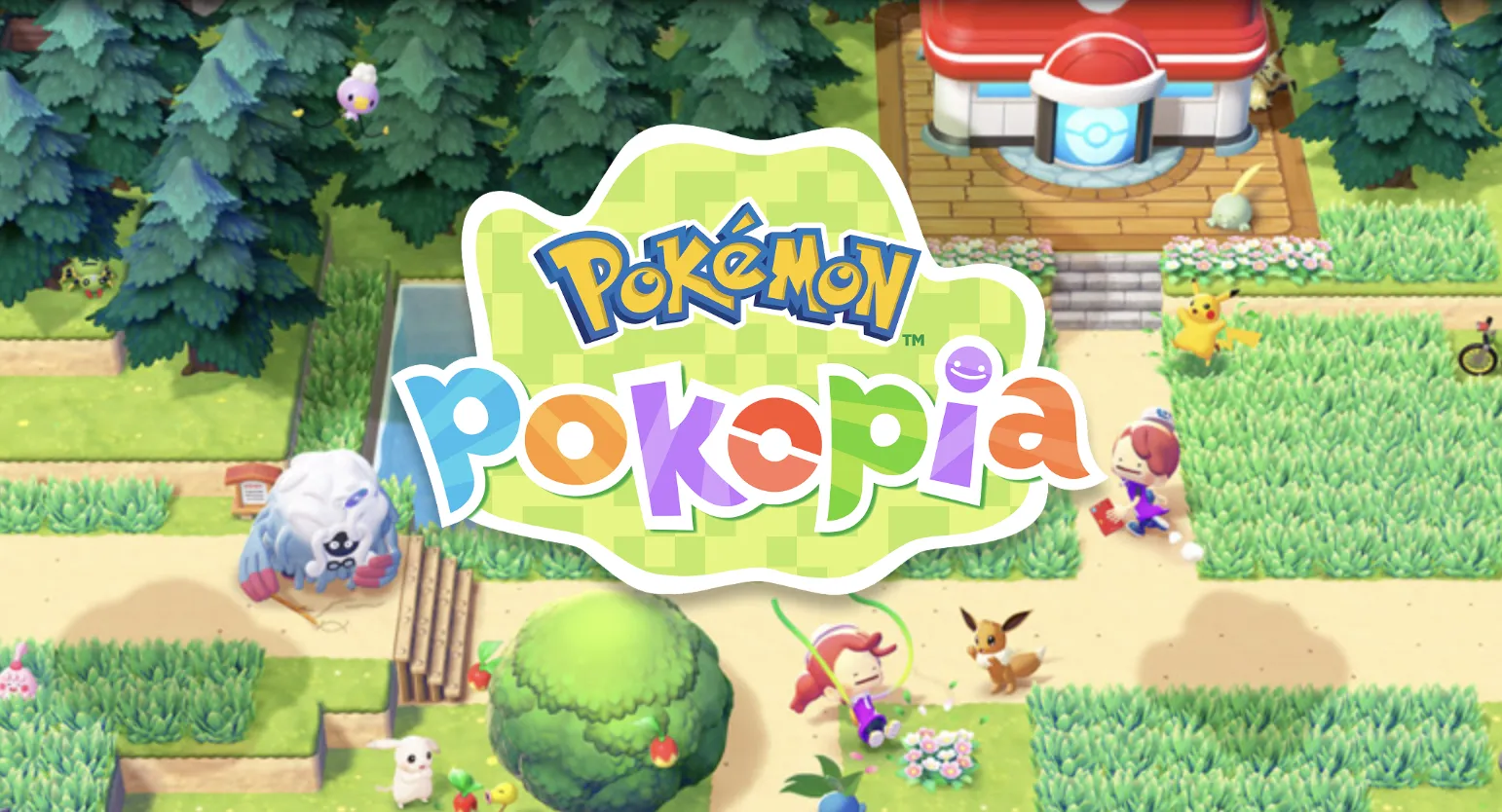
The Premise
Pokémon Pokopia is throwing out two decades of franchise convention and replacing it with something nobody saw coming — a life simulation where you rebuild a forgotten world one habitat at a time. Developed by Koei Tecmo’s Omega Force (the studio behind Dragon Quest Builders 2) and published by Nintendo and The Pokémon Company, it launches on March 5, 2026 as a Nintendo Switch 2 exclusive.
You wake up as a Ditto that’s transformed to look like a human — and you’re not entirely sure why. The land around you is in bad shape: withered grass, dead trees, crumbling buildings. Humans and Pokémon used to live here together, but the people are gone and nobody can explain what happened.
Your guide through all of this is Professor Tangrowth, an evolved Tangela who’s been living alone among the ruins, wearing old human tools and keeping watch over what’s left. He sets you on your path: rebuild this place, restore the habitats, and try to figure out why everything fell apart.

How It Plays
At its core, Pokopia is a life sim. You gather resources — wood, rocks, berries — and use a workbench to craft furniture, fences, lamps, roads, and houses. You till fields to grow vegetables. You decorate. If you’ve sunk any time into Animal Crossing or Dragon Quest Builders, the basic loop will click straight away.
Where it gets interesting is the move system. As you befriend Pokémon around the island, Ditto can learn their moves and repurpose them as tools to shape the environment. This is the game’s central hook — your moveset determines what you can build and where you can explore.
There’s also a biome-dex — an in-game field guide that tracks the habitat conditions you’ve created and tells you what combinations attract which Pokémon. Grow tall grass in the right spot and a new habitat type appears. Add a water feature nearby and something completely different might show up. The loop is experimental and, based on early previews, surprisingly hard to put down.
The Habitat System
Progression in Pokopia is built around habitats rather than badges or levels. Each Pokémon species has preferred conditions — specific terrain, vegetation, elevation, structures, or proximity to water. By placing items and reshaping the landscape, you’re effectively tuning different parts of the map to attract new residents.
When new Pokémon arrive, they bring requests. Some are small — build me a shelter, plant something nearby. Others are tied to bigger problems that push the whole area forward. Fulfil enough of them and the region starts developing: ruined Pokémon Centres can be repaired, new biomes unlock, and rarer species start turning up.
The building system itself runs in two modes. Some structures follow set blueprints, while others let you build freely at specific sizes, closer to Minecraft-style construction. You can invite Pokémon to live in your house and customise the interior to their preferences — or yours.
Peculiar Pokémon
Pokopia’s isolation has produced some unusual residents. These aren’t quite regional forms in the traditional sense — they’re Pokémon that have adapted to life on this abandoned island over a very long stretch of time. Three have been officially revealed:



Multiplayer & Game Share
Pokopia supports up to four players in both local and online co-op (online requires Nintendo Switch Online). The same core loop applies — everyone’s building, gathering, and shaping the island together.
Release Details
| Detail | Info |
|---|---|
| Release Date | March 5, 2026 |
| Platform | Nintendo Switch 2 (exclusive) |
| Developer | Koei Tecmo (Omega Force) |
| Publisher | Nintendo / The Pokémon Company |
| Genre | Life Simulation |
| Players | 1–4 (local & online co-op) |
| US Price | $70 |
| Early Purchase Bonus | Ditto Rug via Mystery Gift (until Jan 31, 2027) |
| Pokémon Center Bonus | Ditto Sitting Cuties Plush |
| Formats | Physical (Game-Key Card) & Digital (eShop) |
Why It Matters
The last time the franchise tried anything ambitious on a home console was Pokémon Battle Revolution on the Wii back in 2006. That was a 3D battle simulator built by Genius Sonority — functional, looked decent for the time, but ultimately just a visual upgrade for Diamond & Pearl’s competitive scene. Twenty years later, the ambition has completely shifted. Instead of rendering existing battles at higher fidelity, Pokopia is rethinking what a Pokémon game can even be.
It also helps that Omega Force has the right track record for this kind of project. Dragon Quest Builders 2 nailed the balance between creative sandbox and structured progression — exactly the mix Pokopia is going for. Journalists who played 90-minute hands-on sessions came away calling it the most compelling cozy game they’d seen since New Horizons. That’s a high bar, but based on what’s been shown, it doesn’t feel unreasonable.