Pokémon FireRed vs LeafGreen: Which Version Should You Play?
FireRed and LeafGreen are back on Nintendo Switch for Pokémon’s 30th anniversary. Whether you’re new to the series or returning after years away — here’s how the two versions differ and which one to pick.
Back to Where It All Began
In 1996, two games launched in Japan and helped establish what would become one of the most recognisable franchises in the world. Pokémon Red and Pokémon Green introduced Pallet Town, Professor Oak, and the concept of “Gotta Catch ‘Em All.” Nearly three decades later, the franchise spans games, cards, anime, and merchandise — and it all started with 151 Pokémon on a Game Boy cartridge.
Pokémon FireRed and LeafGreen are the 2004 GBA remakes of those original games, rebuilt from the ground up with modern graphics (for the era), updated mechanics, and the expanded Sevii Islands — a post-game archipelago exclusive to the remakes. Now, arriving on Nintendo Switch as part of the 30th anniversary celebration, they’re the perfect way to experience the Kanto region that started it all.
But which version should you choose? The honest answer: the story is identical. You explore the same Kanto region, fight the same Gym Leaders, defeat the same villainous Team Rocket, and face the same Elite Four. The rival chooses whichever starter has a type advantage over yours, and the journey from Pallet Town to the Pokémon League is the same in both versions. The differences come down to which Pokémon you’ll find along the way.
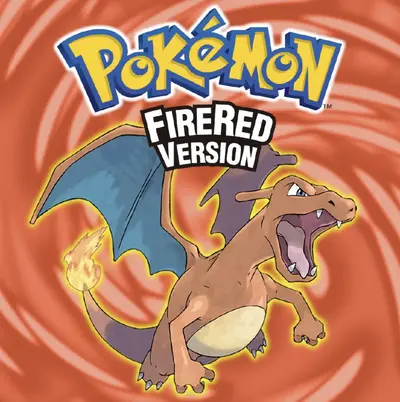
Strong offence, speed, and Scyther.
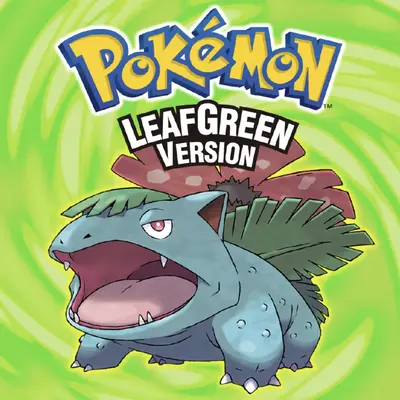
Starmie, Ninetales, and Slowbro.
The Story: Kanto, Unchanged and Timeless
You begin in Pallet Town as a young trainer about to receive their first Pokémon from the local professor. You choose from three starters — the Grass-type Bulbasaur, the Fire-type Charmander, or the Water-type Squirtle — and set off to collect all eight Kanto Gym Badges before taking on the Elite Four.
Along the way you’ll explore Viridian Forest, climb Mt. Moon, reach Cinnabar Island, and eventually face Mewtwo in Cerulean Cave. By modern RPG standards the story is straightforward, but the simplicity works — the game stays focused on catching Pokémon and winning battles.
Version Exclusives: The Only Real Difference
This is the decision that actually matters. Both games contain the same 151 Kanto Pokémon in theory, but in practice each version locks away specific species that you cannot obtain without trading with a friend who has the other version. It’s a deliberate design choice that’s been part of Pokémon since 1996 — and it’s the reason the games have always been sold in pairs.
Version Spotlight: The Pokémon That Define Each Game
Not all exclusives are created equal. A handful of version-exclusive Pokémon genuinely shape how each playthrough feels.
| Category | 🔥 FireRed Gets | 🍃 LeafGreen Gets |
|---|---|---|
| Early-Game Poison/Ground | Ekans & Arbok | Sandshrew & Sandslash |
| Mid-Game Grass | Oddish line → Vileplume | Bellsprout line → Victreebel |
| Psychic/Water Utility | Psyduck & Golduck | Slowpoke & Slowbro |
| Fan-Favourite Fire-Type | Growlithe → Arcanine | Vulpix → Ninetales |
| Water-Stone Evolution | Shellder → Cloyster | Staryu → Starmie |
| Rare Bug-Type | Scyther (→ Scizor) | Pinsir |
| Late-Game Elemental | Electabuzz (→ Elekid) | Magmar (→ Magby) |
| Mythic Forme | Deoxys (Attack Forme) | Deoxys (Defense Forme) |
The Arcanine vs Ninetales Debate
This is the defining version rivalry. Arcanine (FireRed) has high Attack and Speed, making it one of the more reliable team members in Kanto. Ninetales (LeafGreen) is slower but has solid Special stats. If battle performance is the priority, Arcanine has the edge. If you prefer Ninetales, LeafGreen.
Starmie: LeafGreen’s Best Water-Type Option
LeafGreen gets Staryu, which evolves into Starmie — one of the more versatile Pokémon available in Kanto. Water/Psychic typing, high Speed, and a broad movepool make it a dependable team member throughout the game. FireRed gets Cloyster instead, which is bulkier defensively but less flexible overall.
Scyther vs Pinsir
Two Generation I Bug-types split across versions. Scyther (FireRed) has more long-term value for players who want to trade — it can evolve into the Steel/Bug Scizor, which is considerably stronger. Pinsir (LeafGreen) hits hard but has no evolution. If you plan to trade and build a strong team, Scyther is the better pick.
Encounter Rate Variations
Beyond hard exclusives, both games subtly adjust the encounter rates of shared Pokémon in specific locations. These aren’t massive, but they’re worth knowing.
The Route 3 Nidoran split is particularly interesting. Each game makes one gender abundant and the other extremely rare — but each also includes NPC trades to help you obtain whichever one you’re missing. FireRed lets you trade male Nidoran-line Pokémon for females; LeafGreen does the inverse. It’s a neat little balancing act.
Deoxys: The Forme Split
Both versions include the legendary Deoxys, but in different formes — and they play very differently.
High Attack and Special Attack, low defenses. It hits hard but goes down easily Maximised offensive stats. The highest base Attack and Special Attack of any Deoxys forme. Minimal defenses make it a glass cannon — devastating in the right hands, fragile under pressure. For players who like to hit first and hit hard.mdash; a high-risk option that rewards aggressive play.
Very high defenses, low offensive stats. A niche pick suited to stalling Near-impenetrable defenses at the cost of offensive power. Stalling out opponents, surviving hits that would obliterate anything else. Unusual and challenging to play well — a collectors’ curiosity and a competitive niche pick.mdash; unusual and not for everyone, but interesting for completionists.
Which Should You Pick?
- Arcanine on your team
- Scyther and the path to Scizor
- Electabuzz and Elekid
- Deoxys in its most destructive forme
- The Oddish line over Bellsprout
- Psyduck’s confused aesthetic
- Cloyster’s defensive bulk
- Starmie — arguably Kanto’s best Pokémon
- Ninetales’ elegance and lore
- Slowbro and its iconic laziness
- Misdreavus, Sneasel, Mantine
- Deoxys in its most resilient forme
- Magmar and Magby
- The Bellsprout line’s lanky charm
For Returning Players
If you played FireRed or LeafGreen on the GBA, the Switch version will feel familiar. The core game is unchanged — the music, the routes, the layout of every town. The main difference is the platform: a larger screen and no battery drain.
The Sevii Islands post-game is worth revisiting. A lot of players didn’t finish it when the games first came out in 2004, and there’s a fair amount of content there — additional Pokémon encounters, legendary locations, and unlocking the full national Pokédex.